

Outsourcing stamp production can be practical when order volumes are small. As demand grows, however, repeated outsourcing may begin to affect turnaround time, margins, design flexibility, and control over urgent customer requests.
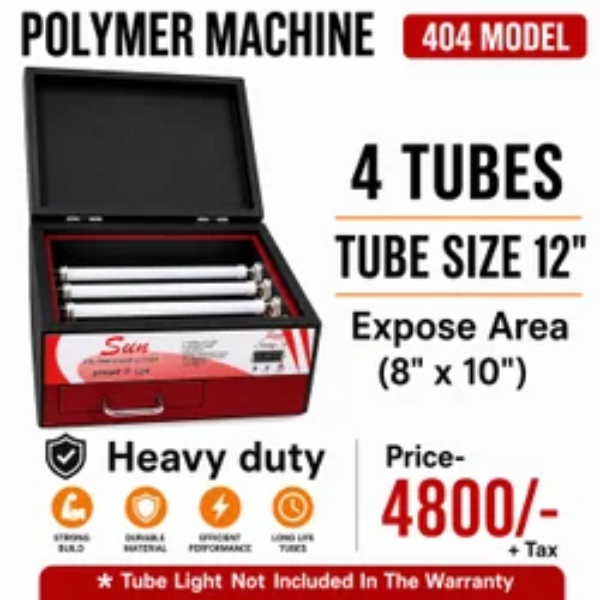
At that stage, investing in a Rubber Stamp Making Machine may deserve serious consideration.
Your Stamp Orders Have Become Regular
The first indicator is consistent demand.
If customers request customised stamps every day and these jobs are currently sent to another manufacturer, calculate the monthly outsourcing cost.
Include more than the supplier's invoice.
Transportation, staff coordination, correction delays, minimum order requirements, and urgent delivery charges can all contribute to the true cost.
Customers Expect Faster Delivery
Speed is increasingly important in local commercial markets.
A customer may need an address stamp after registering a new company, an office may require an urgent departmental stamp, or a dealer may need several customised pieces for same-day processing.
For businesses serving Delhi and NCR customers, local competition can make turnaround time an important differentiator.
In-house production gives a business more direct control over scheduling.
You Frequently Handle Custom Artwork
Every correction sent to an outside supplier adds another communication step.
When a business regularly produces logos, signatures, multilingual designs, specialised layouts, and different stamp sizes, internal production can simplify design testing and correction.
It also allows the operator to inspect the actual impression before the customer receives the product.
Outsourcing Is Reducing Margins
Calculate cost per stamp rather than looking only at monthly revenue.
Consider:
- Outsourced production cost
- Shipping and collection expenses
- Rejected pieces
- Correction costs
- Employee coordination time
- Delays affecting customer retention
Then compare these figures with estimated in-house costs, including equipment, consumables, labour, electricity, maintenance, and finishing materials.
This provides a more realistic view of potential return on investment.
You Have Space and Staff for Production
Buying equipment without planning the workflow can create new problems.
The business needs suitable space for machine operation, materials, artwork preparation, processing, finishing, and storage.
At least one employee should understand the complete workflow and basic troubleshooting.
Training should be considered part of implementation rather than an optional extra.
You Know Which Stamp Technology You Need
Not every stamp-making method serves exactly the same purpose.
Businesses should evaluate the types of stamps customers request, expected sizes, level of detail, required turnaround, production volume, and preferred mounting systems.
A machine should be selected around the business model rather than simply purchasing the largest available option.
Supplier Support Is Part of the Decision
Equipment ownership continues after installation.
Availability of consumables, operating guidance, spare parts, maintenance information, and technical support can influence long-term usability.
Sun Graphics manufactures stamp-making and printing equipment for commercial businesses evaluating in-house production in Delhi and other Indian markets.
A Rubber Stamp Making Machine becomes a logical investment when demand is predictable, outsourcing costs are meaningful, faster delivery has commercial value, and the business is prepared to manage production properly. Reviewing these readiness indicators before purchasing helps turn equipment investment into a planned operational decision rather than an impulsive expansion.