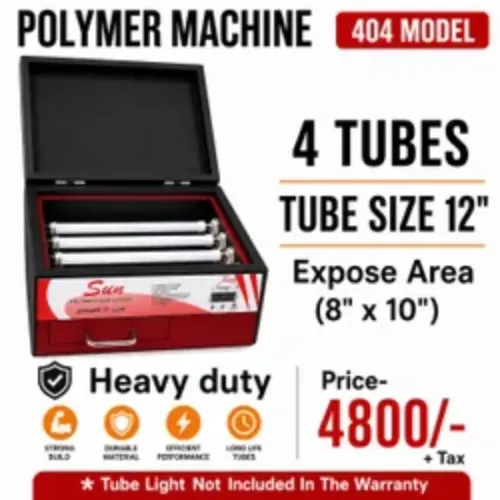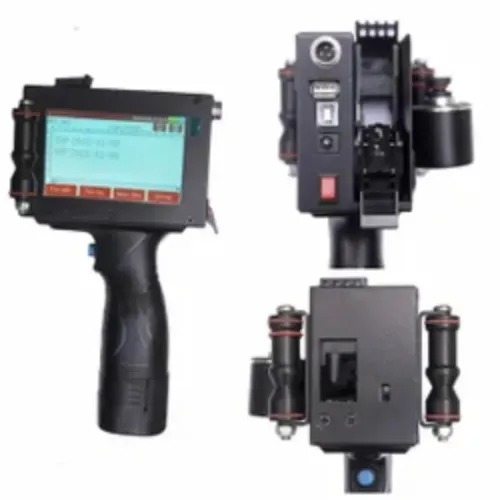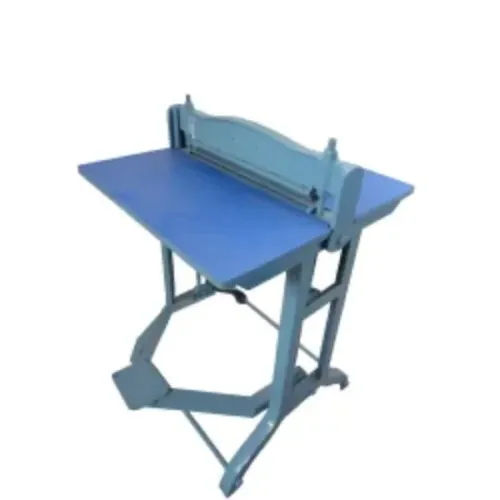


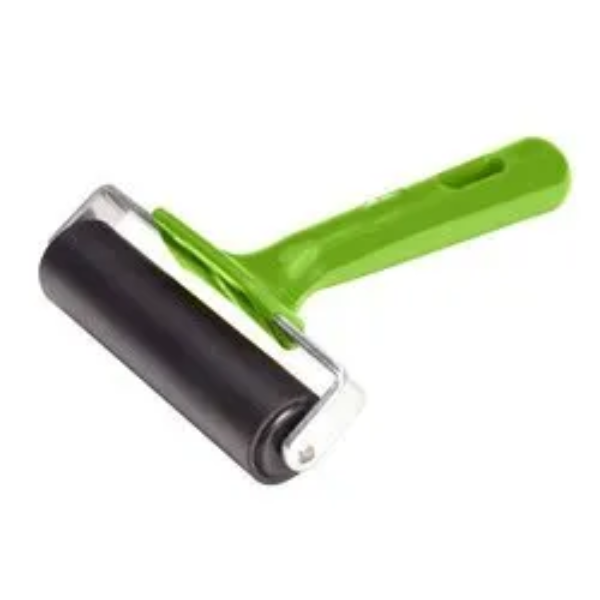
Print quality problems are easier to correct before a full production run begins. Colour behaviour, ink coverage, substrate response, and coating performance can all be evaluated at a smaller scale before material and production time are committed.
A Hand Proof Roller is a practical tool for businesses that need controlled sample application during printing, ink, coating, packaging, and related testing processes.
Understand the Purpose of Proofing
Proofing provides a preliminary indication of how an ink, coating, or formulation behaves on a chosen surface.
Instead of setting up an entire production machine for every test, operators can prepare smaller samples.
This is useful for development work, customer approvals, colour evaluation, ink testing, and quality-control procedures.
Look for Consistent Application
A useful proof depends on uniform transfer.
If the applied layer varies significantly across the sample, the result becomes difficult to evaluate.
The roller should therefore be selected according to the type of material being tested and the level of consistency required.
Operator technique also matters. Excessive pressure, uneven movement, and inconsistent speed can influence the sample.
Consider the Substrates You Regularly Test
Packaging and printing businesses work with many materials, including:
- Paper
- Board
- Films
- Labels
- Flexible packaging substrates
- Coated materials
- Specialty sheets
The same ink can behave differently across different surfaces.
Businesses should test using representative production substrates rather than assuming a result obtained on ordinary paper will apply everywhere.
Evaluate Cleaning Requirements
Proofing equipment may be used with different inks and formulations throughout the day.
Inadequate cleaning can contaminate the next sample and distort results.
The roller should therefore be cleaned promptly using procedures appropriate to the material involved.
Businesses performing frequent colour changes should consider ease of cleaning as an important buying factor.
Improve Repeatability Through Standard Procedures
A hand-operated tool still requires process discipline.
For more meaningful comparisons, operators should try to maintain similar pressure, movement, sample size, material condition, and drying time between tests.
Recording relevant details can also help when comparing formulations later.
This is particularly useful for packaging businesses and ink-related operations where multiple samples may need to be assessed before approval.
Determine Whether It Fits Your Workflow
A hand proofing method is well suited to smaller tests, development work, routine quality checks, and situations where rapid samples are required.
Businesses conducting highly standardised laboratory measurements may also use additional specialised testing equipment depending on their quality procedures.
The key is understanding what decision the proof needs to support.
Check Equipment Quality Before Purchasing
A proofing tool may appear simple, but manufacturing accuracy and roller condition directly affect its usefulness.
Buyers should examine construction, roller surface quality, handling comfort, cleaning convenience, and suitability for their application.
Delhi's printing and packaging sector includes commercial printers, converters, packaging manufacturers, branding businesses, and industrial suppliers with varied proofing needs.
Sun Graphics provides printing equipment for users seeking practical tools for production and quality-control environments.
A Hand Proof Roller can be a valuable addition when a business needs fast, controlled samples before committing to larger production. Selecting the right configuration and combining it with disciplined testing procedures helps turn a simple proof into useful production information.