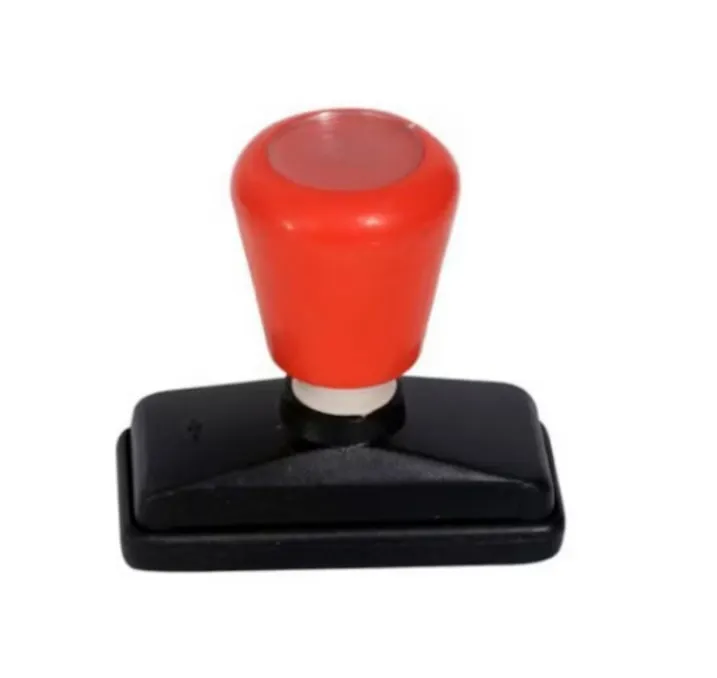
A pre-ink stamp stores its ink inside a porous stamp face, so the impression depends on controlled contact rather than a loose pad. You will be able to choose the right stamp type, make sharp marks on different documents, diagnose defects, and protect the stamp from premature drying or damage.
Key takeaways
- Press straight down with even force; rocking the stamp blurs fine text.
- Choose pre-ink stamps for compact, repeatable impressions without a separate ink pad.
- Clean faint marks by checking pressure, stamp surface, ink level, and paper.
- Store the stamp upright and use the manufacturer’s compatible refill ink.
How ink moves through a pre-ink stamp
A pre ink stamp creates an impression by storing ink inside its stamp body instead of using a separate pad. Its porous stamp material acts as both the die and the ink carrier, while an internal ink reservoir keeps the supply available for repeated impressions.
In many designs, the microcellular stamp face contains tiny connected cells. During production, the non-image areas are sealed, but the letters, lines and symbols remain ink-permeable. That pattern controls where ink can pass, so the stamp produces detailed text without a raised rubber relief.
- Press the face against the document. Pressure brings the open image areas into contact with the paper.
- Ink moves from the internal ink reservoir through the porous structure and out through those image areas.
- The paper receives ink only where the image remains permeable, forming the impression.
- Lift the stamp straight up. The face returns to its sealed resting position, ready for the next mark.
The stamp does not move a separate pad into place between impressions. Ink migration through the face replaces that mechanical cycle. If paper fibres, dust, adhesive or dried ink block the pores, ink cannot reach the paper evenly even when the reservoir still contains ink.
Clean the face gently with suitable lint-free material; scraping or aggressive solvents can damage the porous structure.
Pre-ink, self-inking and traditional stamps compared
The key difference is where ink is stored and how it reaches the image. A pre-inked stamp releases ink through a porous die; a self-inking stamp moves an internal pad onto its die; a traditional rubber stamp requires a separate ink pad.
| Type | Mechanical action | When it affects clean impressions |
|---|---|---|
| Pre-inked stamp | Ink sits inside a porous or microcellular die and migrates through the image areas. There is no pad-return cycle. | It produces compact, detailed text and line work, provided dust, paper fibres and dried ink do not block the face. |
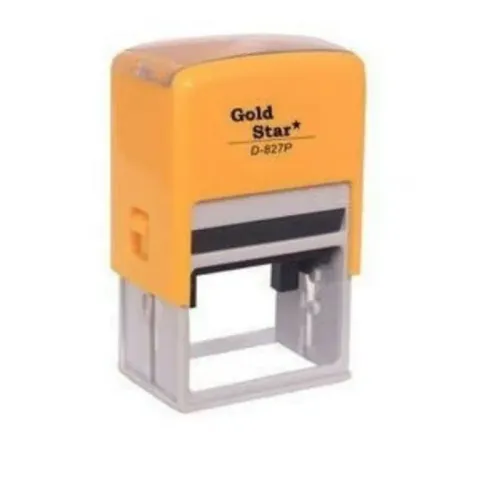
| Self-inking stamp | A spring-loaded mechanism carries an internal ink pad against the rubber die, then retracts it after each impression. | Alignment, pad saturation and a fully returned mechanism affect consistency; an overloaded pad can blur fine text. |
| Traditional rubber stamp | A raised rubber die picks up ink from a separate ink pad before contacting the document. | Pad coverage, ink quantity and even pressure control the result. Too much ink fills small gaps, while a dry pad leaves broken lines. |
A pre-inked stamp keeps its image pattern in the face rather than transferring ink from a broad pad surface. That makes it a strong choice for fine lettering, but not for deep relief or frequent colour changes.
Self-inking and traditional systems suit users who need replaceable pads or frequent re-inking. With either type, a dirty pad or uneven coating creates a dirty impression before pressing technique becomes the problem.
The pressing method that keeps text sharp
A clean stamp impression comes from controlled contact, not maximum force. Put the document on a hard, flat surface and hold the stamp body vertically so the face meets the page squarely. Keep your wrist still; tilting shifts pressure to one edge and leaves fine letters incomplete.
- Lower the stamp until the face touches the surface evenly.
- Apply light, steady stamping pressure. Press once rather than rocking, twisting or sliding.
- Hold for a brief dwell time—about one second—then lift straight up.
- Let the stamp face recover before the next impression instead of making rapid, repeated contacts.
Adjust the force and dwell time to the material:
- Thin paper: Use light pressure and a short dwell time. Excess force pushes ink sideways, causing feathered edges or showing through the sheet.
- Card: Use firm, even pressure and hold for about one second. Do not crush the stamp face against a hard counter.
- Envelopes: Support the flap and underlying layers on a flat surface, then press evenly across the whole design. A curved envelope produces gaps.
- Multi-part forms: Keep every sheet aligned and use enough steady pressure to reach the intended copies. Test the complete form set, because excessive pressure can distort the top sheet or blur carbonless layers.
Smooth, uncoated stock usually gives the sharpest result. Test glossy, coated, thermal or rough material before approving production use; its surface can alter drying, darkness and edge definition.
How to identify and fix a poor impression
A good impression has sharp stamp edges, readable fine text, and open counters—the uninked spaces inside letters such as A, O, and e. Ink distribution is even across the mark, with no halo, puddling, missing strokes, or doubled outline.
Check a poor impression in this order:
1. If edges look blurred or text has a doubled outline, place the stamp squarely, press once with even force, and lift vertically. Rocking, sliding, or holding the stamp down too long spreads ink beyond the image.
2. If the impression is incomplete, inspect the document and stamp face for dust, fibres, or an uneven surface. Try clean, smooth stock and confirm that the entire face contacts the paper.
3. If the mark is too dark, reduce pressure and dwell time. Repeated pressing over the same impression adds ink and can close open counters.
4. If only rough, glossy, coated, thermal, or chemically treated material produces faults, test the exact stock before changing the stamp. Its surface can cause feathering, slow drying, poor adhesion, or excessive darkness.
5. If every impression fades or develops gaps, check whether the model has a designated refill opening. Do not drip ink onto the face; over-saturation causes bleeding. Use ink that matches the original chemistry and substrate, because incompatible ink can restrict flow through the porous die.
Compare a text-only mark with a large solid logo before judging service life: the logo consumes ink faster and needs closer monitoring.
Storage, refilling and choosing the right stamp system
A pre-ink stamp that still contains ink can produce weak marks when dust, paper fibres, adhesive residue or dried ink blocks its porous face. Before storage, wipe the face gently with a lint-free material; do not scrape it or use aggressive solvents, which can damage the ink channels.
- Replace the protective cap immediately after use and keep the stamp upright on a clean, level surface.
- Keep it away from direct sunlight, heat and loose dust; do not leave the face pressed against paper.
- Treat impression-life figures as estimates: a text-only design lasts longer than a large filled logo, and yield changes with stamp size, pressure, paper absorbency and ink loading.
- Use a pre-ink stamp refill only through the opening or procedure specified for that model. Never pour ink onto the face, because over-saturation causes bleeding.
- Match the original ink chemistry and substrate. Incompatible ink can alter drying time, contaminate colour or stop flow through the porous die.
| System | Ink arrangement | Choose it when |
|---|---|---|
| Pre-ink | Ink held through the stamp face | You need fine detail and compact storage |
| Self-inking | Replaceable pad inside the housing | You need frequent office use with simple pad changes |
| Traditional rubber | Separate external pad | You need flexible ink colours or occasional impressions |
If you make stamps rather than only use them, compare a flash stamp machine by design size, exposure control, throughput and refill compatibility. Sun Graphics can provide model-specific guidance when the refill opening, ink type or flash-machine settings are unclear.
Related products
 | Pre Ink Stamp Machine ₹13500 Sun Graphics is a supplier and dealer of Pre Ink Stamp Machines and flash stamp making systems in Delhi. View product → |
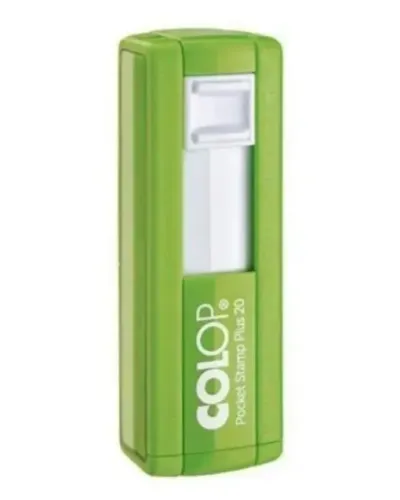
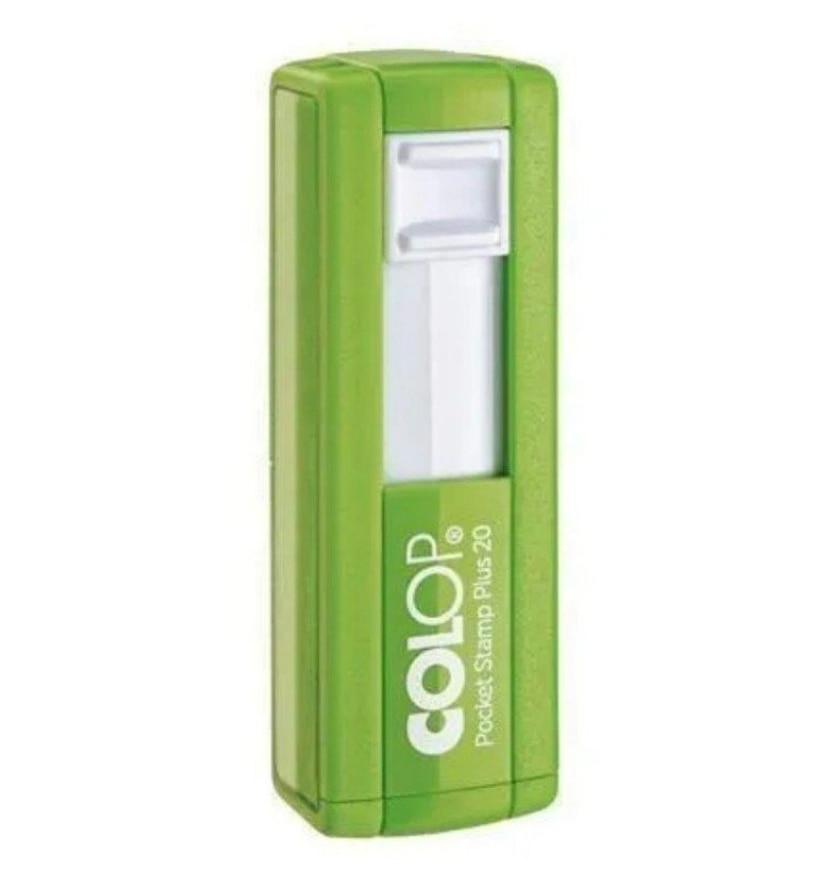 | Green Plastic Colop Pocket Pre Self Inking Stamp Green Plastic Colop Pocket Pre Self Inking Stamp ₹110 Sold By - Sun Graphics, New Delhi, View product → |
Frequently asked questions
How does ink move through a pre-ink stamp?
Ink stored inside the stamp body travels through porous stamp material, which carries ink to the raised design during pressing.
How does a pre-ink stamp compare with self-inking and traditional stamps?
A pre-ink stamp stores ink in its stamp body, a self-inking stamp returns to an internal pad, and a traditional stamp requires a separate pad.
What pressing method keeps text sharp?
Place the stamp flat, press straight down with even force, and lift it vertically without rocking.
How can you fix a poor stamp impression?
Check for uneven pressure, a dirty or dry stamp surface, low ink, unsuitable paper, or a worn stamp design, then correct the cause.
How should you store and refill a pre-ink stamp?
Keep it upright, protect the stamp face from dust, and refill it only with ink approved for that stamp system.
Related products
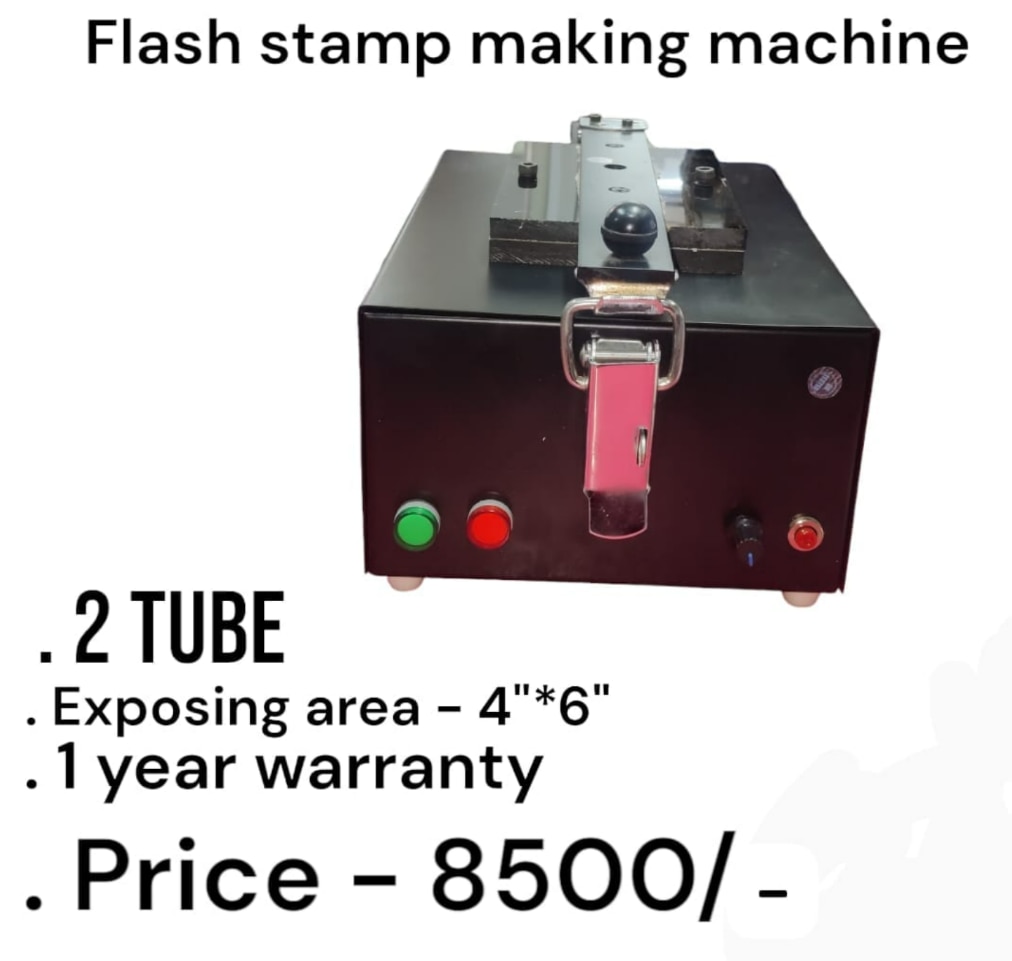 | Flash Stamp Making Machine ₹8500 2 Tube Model The 2 Tube Flash Stamp Making Machine is a reliable and efficient solution for manufacturing high-quality flash stamps quickly and... View product → |
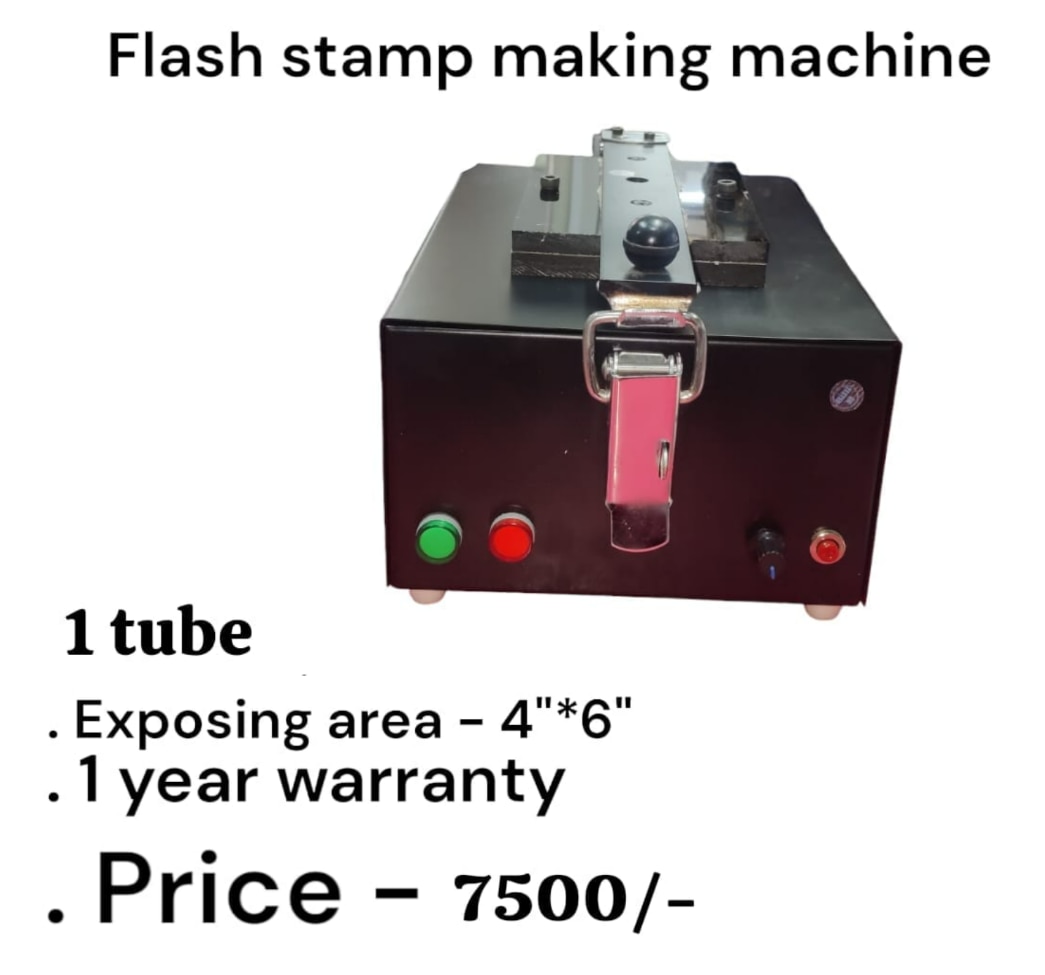 | Flash Stamp Making Machine Flash Stamp Making Machine 1 Tube Model ₹7500 Flash Stamp Making Machine (1 Tube) – Product Description Flash Stamp Making Machine – 1 Tube Model The 1 Tube Flash Stamp Making Machine is an... View product → |
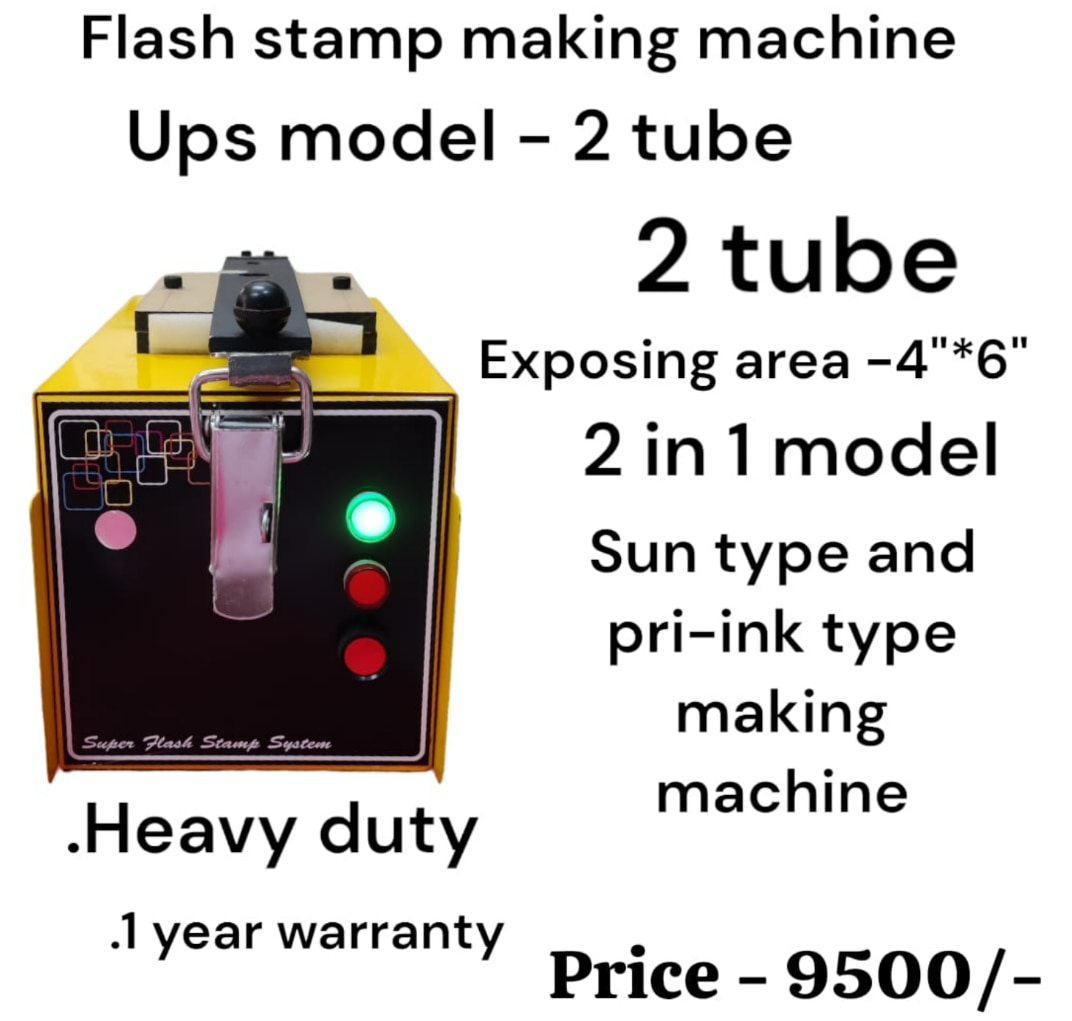 | Flash Stamp Making Machine Flash Stamp Making Machine (UPS Model – 2 Tube) ₹9500 Flash Stamp Making Machine (UPS Model – 2 Tube) Specification Details Product Name Flash Stamp Making Machine Model UPS Model – 2 Tube Type 2-in-1... View product → |
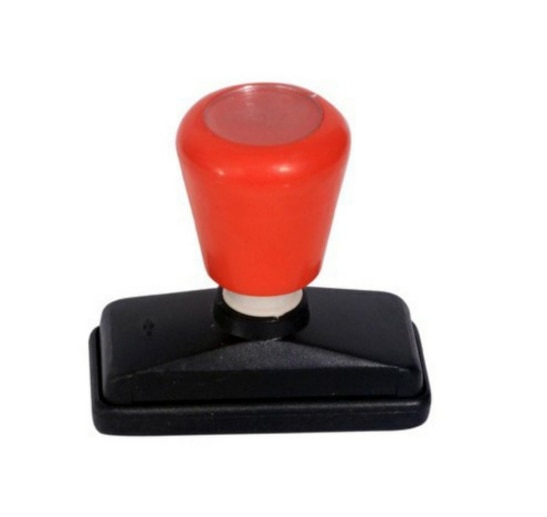 | ₹110 Sold By - Sun Graphics, New Delhi View product → |