The demand for customised rubber stamps continues to grow as businesses, schools, government offices, and professionals require personalised stamping solutions. For entrepreneurs entering the stamp manufacturing industry, selecting the right Rubber Stamp Making Machine is one of the most important business decisions.
The right equipment affects production quality, operating costs, turnaround time, and customer satisfaction. Understanding the key features before investing helps businesses make informed purchasing decisions.
Why Rubber Stamp Manufacturing Remains Relevant
Although digital documentation has become common, physical documents still require authentication in many industries.
Rubber stamps remain essential for:
- Government departments
- Banks
- Educational institutions
- Corporate offices
- Hospitals
- Notaries
- Chartered accountants
- Warehouses
- Logistics companies
As organisations continue handling physical records, the need for customised stamps remains steady.
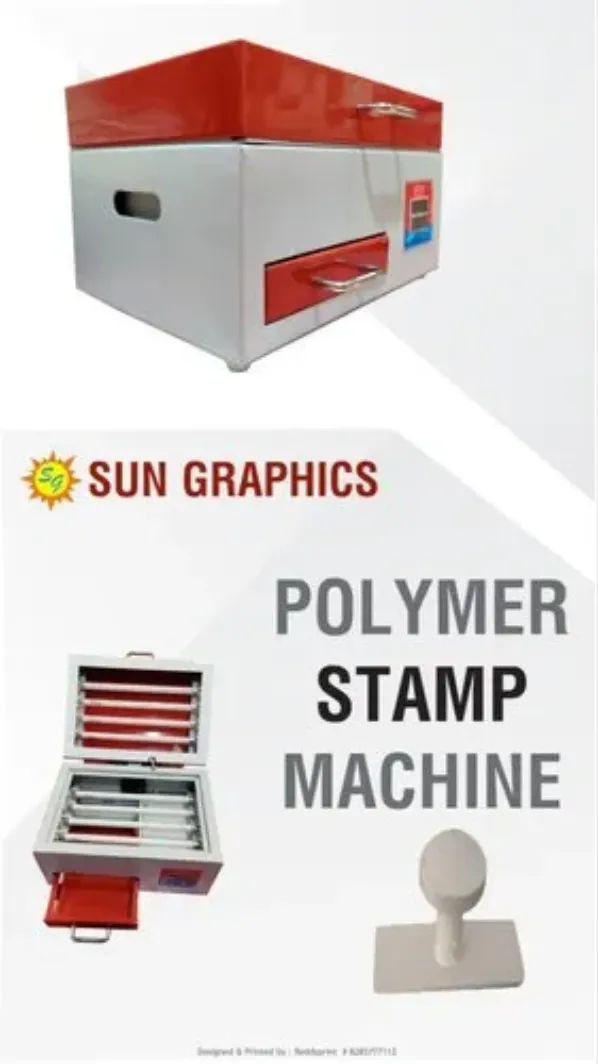
Key Components of a Stamp Making Machine
Different machines use different manufacturing technologies, but most systems include essential production components.
These typically include:
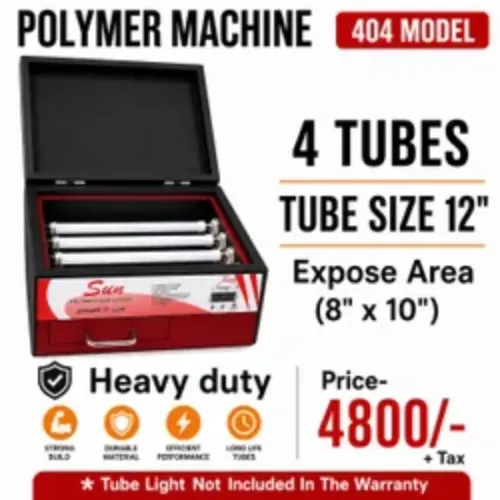
- Exposure unit
- Plate preparation system
- Rubber processing section
- Image transfer mechanism
- Finishing accessories
Understanding these components helps buyers compare machine capabilities rather than focusing solely on price.
Factors to Consider Before Buying
Every business has unique production goals.
Before selecting a machine, evaluate:
Daily Production Capacity
Estimate the expected number of stamps to be produced each day.
Small businesses may require compact machines, while larger production facilities benefit from higher-capacity systems.
Quality of Output
Sharp text and clean impressions improve customer satisfaction.
The machine should consistently reproduce:
- Fine lettering
- Company logos
- Multi-line text
- Graphic elements
Ease of Operation
Simple operating procedures reduce training time and minimise production errors.
Machines with user-friendly controls allow faster workflow, especially for new operators.
Maintenance Requirements
Low-maintenance equipment reduces downtime and long-term operating expenses.
Buyers should check the availability of spare parts and service support before making a purchase.
Common Business Opportunities
A rubber stamp manufacturing setup can cater to multiple customer segments.
Potential clients include:
- Printing presses
- Stationery shops
- Office suppliers
- Government vendors
- Schools
- Legal professionals
- Corporate procurement teams
- Dealers
Offering customised solutions helps businesses expand their customer base over time.
Mistakes Buyers Often Make
New entrepreneurs sometimes choose machines based solely on initial cost.
This may result in:
- Lower production quality
- Frequent repairs
- Limited product range
- Slower manufacturing
- Higher maintenance expenses
Evaluating overall productivity often provides better value than choosing the cheapest option.
Why Local Technical Support Matters
Industrial equipment occasionally requires maintenance or calibration.
Working with manufacturers that provide technical assistance can minimise production interruptions.
For businesses operating in Delhi and neighbouring regions, local support often helps reduce servicing delays and transportation costs.
Long-Term Value
A good rubber stamp making machine should continue delivering consistent results for years with proper maintenance.
When comparing machines, consider:
- Production efficiency
- Build quality
- Component durability
- Expansion possibilities
- Operator safety
Manufacturers such as Sun Graphics, known for stamp-making machinery and related solutions, serve businesses looking for dependable equipment suited to different production requirements.
Investing in reliable machinery supports sustainable business growth while helping manufacturers consistently meet customer expectations.
Keywords