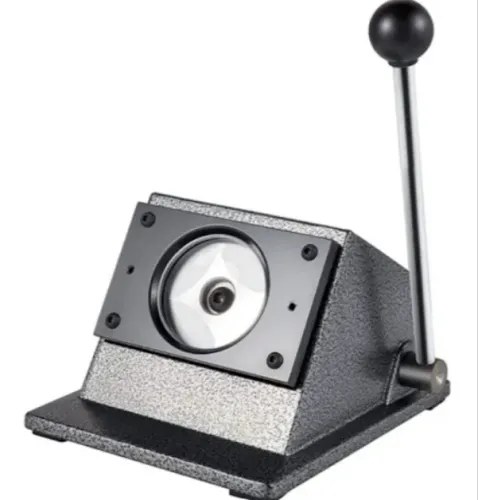


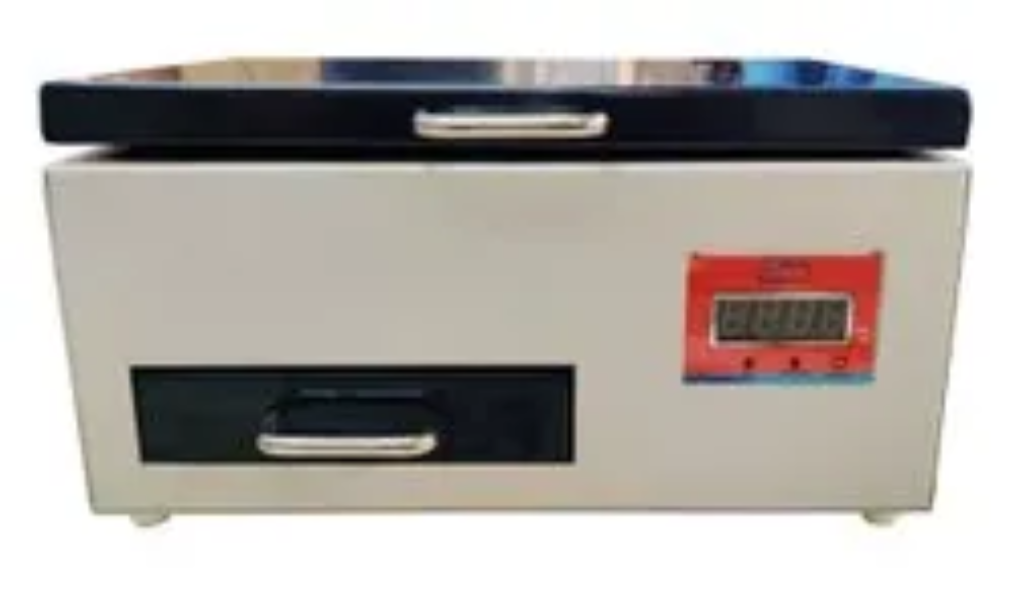
A customised rubber stamp may look like a simple office product, but producing it reliably involves several stages. Artwork preparation, plate creation, exposure, washing, curing, cutting, mounting, and testing can all influence the quality of the finished stamp.
A Rubber Stamp Making Machine helps bring important production stages into a controlled commercial workflow.
The Role of Equipment in Stamp Manufacturing
Manual processes may be adequate for occasional requirements, but commercial stamp businesses often handle multiple designs and customer specifications every day.
Dedicated equipment provides a repeatable method for producing stamp plates rather than relying on inconsistent manual techniques.
Depending on the technology selected, a stamp-making setup may be used for names, addresses, logos, signatures, office instructions, inspection markings, dates, and other customised impressions.
Understanding the Production Workflow
A typical stamp begins as digital artwork.
The design needs appropriate dimensions and sufficient clarity before production starts. Once prepared, it is transferred to the stamp material using the relevant process.
After processing, the stamp plate is cleaned and finished before being attached to a suitable mount.
The completed stamp should then be tested on paper.
A good test impression helps identify:
- Missing characters
- Uneven surfaces
- Incorrect alignment
- Poorly reproduced logos
- Excessive ink transfer
- Incomplete impressions
Finding these issues before delivery reduces avoidable customer complaints.
Who Uses Commercial Stamp-Making Equipment
Stamp manufacturers are the most obvious users, but the equipment can also be relevant for printing businesses and organisations that maintain specialised in-house production facilities.
Delhi is home to a substantial printing and office-supply market, with customers ranging from small businesses to large industrial organisations.
Stamp producers may therefore need to accommodate both individual custom orders and repeat requirements from dealers, corporate offices, schools, manufacturers, packaging companies, and government departments.
Factors That Influence Stamp Quality
Equipment quality matters, but it is not the only variable.
Artwork resolution has a major effect on small text and logos. Material quality influences durability and impression behaviour. Processing accuracy determines whether details are reproduced correctly.
Operators should also maintain consistent exposure and finishing practices.
Even a sophisticated machine cannot compensate for poorly prepared artwork or unsuitable consumables.
Building a More Reliable Production Routine
Businesses can improve production by creating standard operating procedures for common stamp sizes and materials.
Keeping frequently used dimensions documented helps operators avoid unnecessary trial and error.
Regular machine cleaning should also be included in the workflow. Production residue, dust, and improper storage can gradually affect performance.
Consumables should be stored according to their requirements rather than being exposed to unsuitable heat, light, or contamination.
Matching Equipment With Business Demand
A business receiving a few customised orders each week has different requirements from a dealer supplying stamps throughout Delhi and neighbouring NCR markets.
Production capacity, machine dimensions, available workspace, consumable availability, operator training, and expected order mix should therefore be considered before investing.
Sun Graphics supplies stamp-making equipment and related printing solutions for businesses developing commercial production capabilities.
A suitable Rubber Stamp Making Machine is most valuable when it fits the actual workflow of the business. Understanding customer demand first makes it easier to select technology that supports consistent output, manageable production times, and the range of stamp designs customers regularly request.