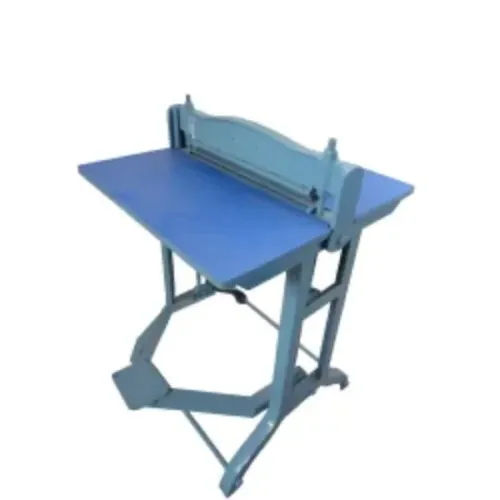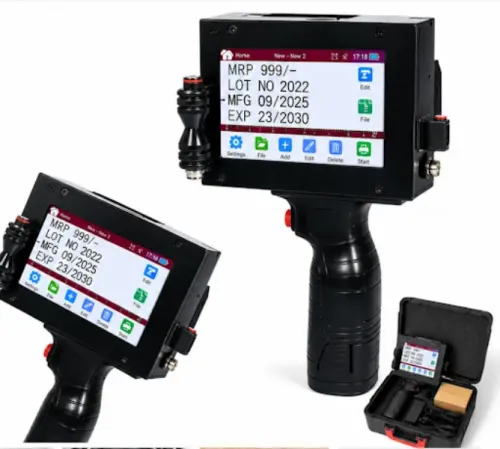


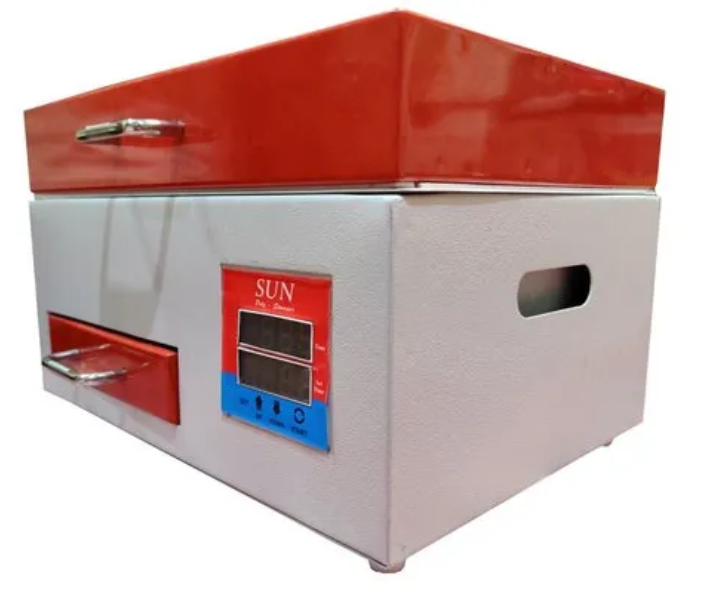
The demand for customized stamps continues to grow across Delhi as businesses, schools, legal offices, and government departments require faster documentation solutions.
Because of this demand, many printing shops and stationery suppliers are exploring rubber stamp manufacturing as an additional business opportunity.
However, purchasing a rubber stamp making machine without proper evaluation can lead to inconsistent production quality and unnecessary operational issues.
Understanding what to check before investing helps buyers make more practical decisions.
Understand the Type of Stamp Production
Different machines support different stamp-making technologies.
Common categories include:
- Polymer stamp machine systems
- Flash stamp machines
- Traditional rubber engraving systems
- Pre ink stamp production equipment
Each setup involves different materials, production methods, and output quality.
Businesses should first identify which stamp categories they plan to manufacture.
Evaluate Production Volume Requirements
A small stationery shop may only require limited daily production.
Meanwhile, commercial printing businesses handling bulk orders often require faster output capacity.
Production expectations influence:
- Machine size
- Exposure area
- Processing speed
- Automation level
- Power consumption
Choosing oversized machinery for small operations can increase unnecessary costs.
Check Compatibility With Consumables
Machines require compatible:
- Polymer sheets
- Flash foam
- Ink systems
- Exposure films
- Rubber materials
Consumable availability becomes extremely important for long-term operation.
Many businesses prefer suppliers that also provide ongoing material support.
Print and Exposure Quality
Stamp clarity depends heavily on exposure precision.
Low-quality machines may create:
- Weak text edges
- Uneven impression depth
- Distorted designs
- Poor logo detailing
This affects final stamp performance and customer satisfaction.
Professional printing businesses in Delhi generally prioritize machines capable of producing clean and consistent impressions.
Ease of Operation
Complicated machinery can slow down production.
Modern stamp-making systems are increasingly designed for:
- Faster setup
- Simple controls
- Easy maintenance
- Reduced operator errors
This becomes especially useful for small businesses where operators handle multiple printing tasks simultaneously.
Maintenance and Service Support
Every machine eventually requires maintenance.
Before purchasing, buyers should verify:
- Spare part availability
- Technical support
- Consumable supply
- Operator guidance
- Service response time
Reliable support reduces downtime significantly.
Workspace and Electrical Requirements
Some buyers ignore installation requirements until after purchase.
Before investing, confirm:
- Machine dimensions
- Ventilation needs
- Electrical compatibility
- Workspace availability
- Production environment conditions
Compact machines are often preferred by smaller Delhi printing shops with limited operating space.
Profitability Potential
Stamp manufacturing can support multiple customer categories:
- Offices
- Schools
- Legal professionals
- Government departments
- Packaging businesses
- CA firms
- Retail stores
Additional services like customized logo stamps and GST stamps further expand earning opportunities.
Should Beginners Start With Polymer or Flash Technology?
The answer depends on business goals.
Polymer stamp machine systems are commonly selected for traditional stamp production and varied customization.
Flash stamp systems are often preferred for high-detail pre ink stamp production.
Many growing businesses eventually operate both technologies.
Sun Graphics supplies stamp-making equipment and customized stamp solutions for printing businesses and commercial users in Delhi seeking reliable production support.
Final Buying Checklist
Before finalizing a rubber stamp making machine purchase:
- Define production goals
- Compare machine technologies
- Check consumable availability
- Review support services
- Evaluate impression quality
- Understand maintenance requirements
- Consider future business expansion
A well-selected machine supports better production consistency, improved customer satisfaction, and smoother business growth in the long term.